

If you’re dealing with lawn weeds in your yard, you’re not alone. In Brisbane’s subtropical climate, weeds are one of the most persistent challenges for homeowners trying to maintain a clean, healthy lawn.
The challenge is that most people try to treat them on the surface, only to see them return a few weeks later. That’s because lawn weeds are rarely just a surface problem. They’re usually a sign of deeper issues in your soil, turf density, or seasonal lawn conditions.
In this guide, we’ll help you identify the most common lawn weeds in Brisbane, understand why they appear, and explain what they’re really telling you about your lawn.
Most weeds thrive when your lawn is under stress. In Brisbane, warm weather, humidity, and seasonal rain create the perfect environment for fast-spreading species.
Common causes include:
Many garden weed species also take advantage of bare soil and disturbed areas, especially after mowing, renovation, or heavy rain.
Bindii is one of the most frustrating common lawn weeds in Australia. It grows low to the ground with shaped leaves and becomes most visible in cooler months.
It produces small flowers that turn into sharp, painful prickles that easily attach to feet, making it a nuisance for families and pets.
White clover spreads through creeping stems and forms mats with distinctive white flowers and heart-shaped leaves. It often contrasts with the dark green leaves of healthy turf, making it easy to notice.
While not harmful to touch, white clover can create an uneven, patchy appearance. It also attracts bees when flowering, which can be a concern for pets and families using the yard.
Nutgrass is one of the most persistent weeds in Brisbane. It is identifiable by its triangular stems and upright growth.
Unlike other weeds, it spreads via underground tubers, making it extremely difficult to fully eliminate.
Khaki weed is a hardy perennial weed with hairy stems and sharp burrs that easily attach to pets, clothing, and shoes.
It produces tough seed structures that spread across the yard and quickly establish in bare soil.
Winter grass is an annual winter weed that appears during cooler months, forming soft tufts of green leaves.
It spreads rapidly through seeds, making it a recurring seasonal problem that can lead to uneven patches across the lawn.
Crowsfoot is a tough annual grass weed that thrives in compacted soil and high-traffic areas.
It is easily recognised by its seed heads that resemble a bird’s foot. This weed grows in clusters, creating an uneven and untidy appearance across the lawn.
Oxalis is a fast-spreading garden weed with yellow flowers and soft, hairy leaves that resemble clover but grow more aggressively.
It spreads through both seeds and underground bulbs, which can be challenging to fully remove.
Also known as summer grass, crabgrass is a fast-growing annual grass that appears in early summer.
It has coarse green leaves and spreads quickly through seeds, often forming patches that stand out from healthy turf.
Dandelions are easily recognised by their bright yellow flowers that turn into floating seed heads.
These spread widely through wind-dispersed seeds, allowing them to establish quickly in open areas.
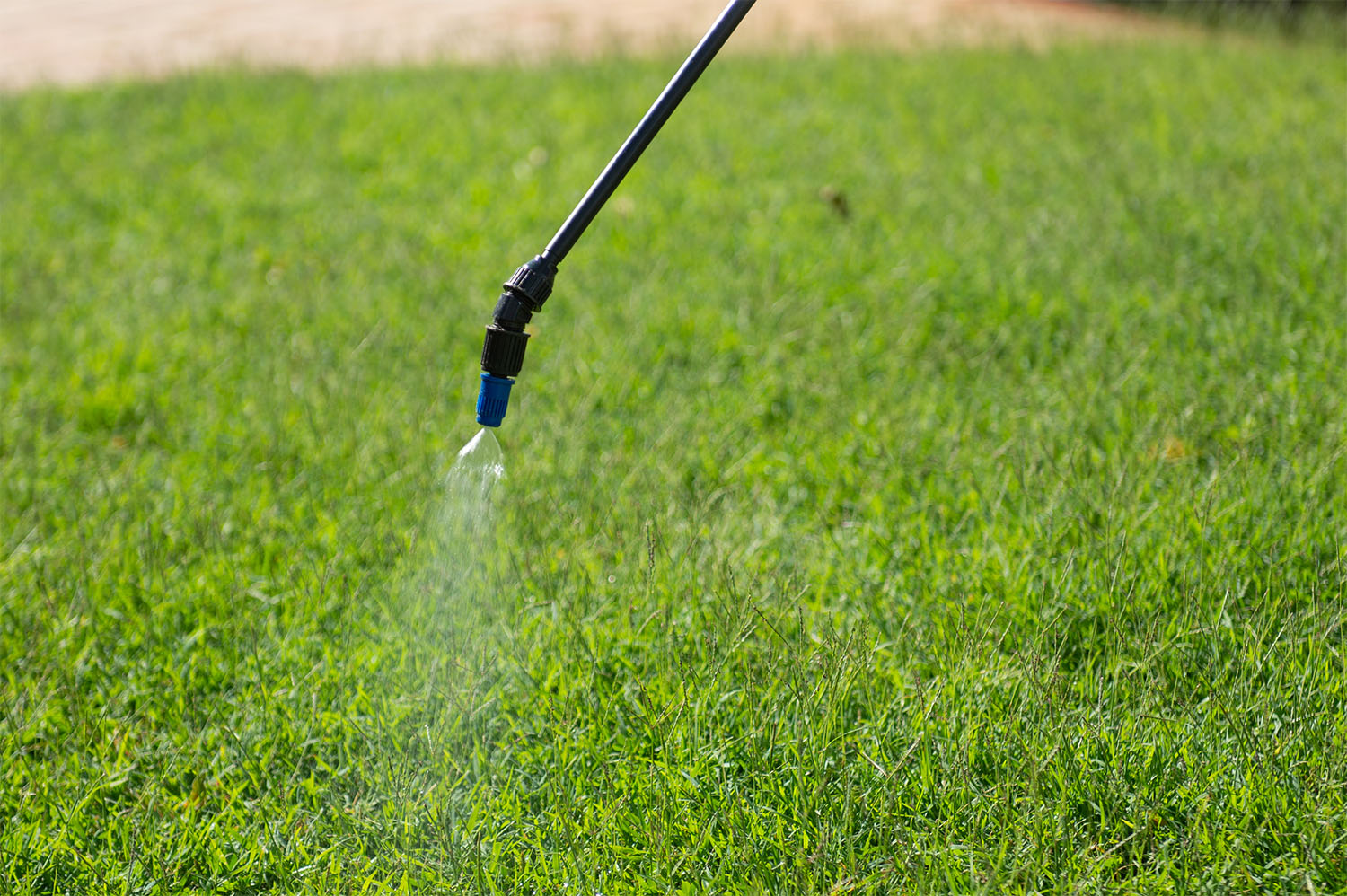
Many homeowners rely on herbicides to manage lawn weeds, but this only addresses what’s visible above the surface.
In reality, most weeds are a symptom of deeper issues within your lawn. While a selective herbicide may clear existing growth, seeds in the soil, underground structures like tubers, and weak turf conditions all allow weeds to return quickly.
Long-term control comes from building a strong, healthy lawn that can outcompete weeds naturally. Improving soil health, encouraging dense turf growth, and maintaining proper mowing and care practices all reduce the space and opportunity for weeds to establish.
If you're noticing weeds that keep returning despite repeated treatment, it usually indicates a deeper issue within the soil or lawn structure.
It may be time to seek professional help if:
At Greenest Lawn Co., we focus on addressing the underlying causes of lawn weed problems, not just the visible symptoms. Our lawn weeding services include improving soil health, strengthening turf density, and applying targeted treatment strategies suited to Brisbane conditions.
Contact us today for a free lawn assessment and a service pricing estimate, and take the first step toward a lawn where weeds don’t return.
We’re confident you’ll be 100% satisfied with our service and the outcomes we’ll achieve for your lawn. But if you’re not, or if problems arise, we’ll arrange a free visit within the week to get things back on track.


